
Toxic victim-playing behavior can quietly destroy trust, relationships, and self-growth without even being noticed at first. Toxic playing victim quotes uncover the mindset behind blame-shifting, emotional manipulation, and constant self-pity. As you read through, you’ll recognize patterns, reflect on real-life situations, and gain clarity on how to deal with people who refuse accountability. Let these words open your eyes and help you build stronger emotional boundaries in life.
Toxic Playing Victim Quotes: Victim Mentality Psychology Insights
- “A victim mindset turns every lesson into a complaint.” Marcus Hale
- “When blame feels easier than growth, victimhood is born.” Elena Brooks
- “Some people don’t want answers; they want sympathy forever.” Jordan Miles
- “Victim thinking always rewrites truth to protect comfort.” Daniel Cross
- “Pain becomes identity when responsibility is avoided.” Sophia Lane
- “Not every struggle makes you a victim; attitude does.” Ryan Cole
- “The mind that refuses change will always choose excuses.” Ava Mitchell
- “Victim mentality feeds on repetition, not reflection.” Noah Bennett
- “Growth begins where excuses finally end.” Lily Harper
- “A trapped mind sees blame, not possibility.” Ethan Carter
Blame Shifting Behavior Quotes
- “Blame shifting is the art of avoiding truth.” Olivia Grant
- “Nothing is ever their fault, only everyone else’s.” Henry Walker
- “They pass blame like it’s a borrowed burden.” Mia Collins
- “Shifting blame doesn’t fix problems; it multiplies them.” Lucas Reed
- “Accountability is absent where blame is always redirected.” Grace Turner
- “Some people rewrite every story to remove themselves from fault.” Adam Scott
- “Blame is their shield against personal growth.” Emma Brooks
- “The louder the blame, the quieter the truth becomes.” Jack Morgan
- “Avoiding responsibility is a habit disguised as defense.” Chloe Adams
- “They point fingers to avoid looking inward.” David Young
Toxic Excuses In Relationships
- “Excuses slowly replace honesty in broken relationships.” Sarah Blake
- “Love cannot survive where excuses speak louder than truth.” Mark Lewis
- “Every excuse builds a wall between two hearts.” Nina Foster
- “Toxic excuses are emotional shortcuts to avoid change.” Ryan Parker
- “Promises fade when excuses become routine.” Ella Hughes
- “A relationship dies when accountability is replaced with reasons.” James Reed
- “Excuses are comfort zones for emotional avoidance.” Lily Carter
- “You cannot grow love on a foundation of denial.” Ethan Brooks
- “Excuses sound soft but destroy deeply.” Chloe Bennett
- “Truth heals, excuses delay healing.” Daniel Wright
Manipulation And Emotional Control Lines
- “Manipulation always hides behind emotional confusion.” Ava Scott
- “Control disguised as care is still control.” Mason Clark
- “They twist emotions to stay in power.” Zoe Mitchell
- “Emotional control thrives where boundaries are weak.” Liam Turner
- “Manipulators don’t argue truth; they distort feelings.” Emma Collins
- “Every controlled emotion weakens personal freedom.” Noah Reed
- “They don’t ask for love; they demand compliance.” Olivia Parker
- “Manipulation speaks softly but changes reality loudly.” Henry Adams
- “Emotional control is silent damage over time.” Mia Bennett
- “Where manipulation begins, trust ends.” Lucas Scott
Accountability Vs Victimhood Wisdom
- “Accountability builds strength, victimhood builds excuses.” Daniel Hayes.
- “You cannot grow while blaming everything outside yourself.” Ava Morgan
- “Owning mistakes is the start of real power.” Ethan Walker
- “Victimhood asks for pity; accountability earns respect.” Lily James
- “Truth is uncomfortable, but responsibility is freeing.” Ryan Brooks
- “Every accountable step breaks a cycle of blame.” Sophia Reed
- “Victims wait for change; accountable people create it.” Noah Carter
- “Blame weakens, accountability strengthens.” Grace Mitchell
- “You either own your story or repeat it.” Mason Lee
- “Freedom begins when excuses end.” Chloe Turner
Self-centered Playing Victim Behavior
- “They hurt others, then cry the loudest.” Olivia Hayes
- “A narcissist never loses; they just change the story.” James Collins
- “Victim act is their favorite disguise.” Emma Walker
- “They rewrite reality to stay innocent.” Liam Brooks
- “Every confrontation becomes their suffering stage.” Mia Scott
- “They create chaos and blame the aftermath.” Noah Hughes
- “Self-pity is their tool of control.” Ava Reed
- “They demand sympathy while causing damage.” Ethan Parker
- “Truth is always the first casualty of ego.” Lily Morgan
- “They are never wrong, only misunderstood.” Ryan Adams
Gaslighting And False Narratives Quotes
- “Gaslighting makes truth feel like confusion.” Daniel Carter
- “They deny reality until you doubt yourself.” Ava Brooks
- “False narratives are built to protect fragile egos.” Noah Bennett
- “When truth is twisted, confidence disappears.” Mia Turner
- “They rewrite history to suit their comfort.” Liam Scott
- “Gaslighting is emotional rewriting of reality.” Chloe Reed
- “You start questioning yourself instead of them.” Ethan Hayes
- “False stories are louder than facts in toxic minds.” Olivia Morgan
- “Manipulated truth feels like personal doubt.” James Parker
- “They distort facts until confusion feels normal.” Sophia Clark
Toxic Drama and Attention-Seeking Truths
- “Drama is their way of staying relevant.” Ryan Mitchell
- “Some people need chaos to feel alive.” Ava Turner
- “Attention seekers turn peace into conflict.” Noah Adams
- “Drama follows them like a shadow.” Mia Brooks
- “They confuse noise with importance.” Ethan Carter
- “Calmness threatens those addicted to attention.” Lily Scott
- “Every problem becomes a performance.” James Reed
- “They create storms just to be noticed.” Chloe Bennett
- “Peace feels boring to addicted attention seekers.” Daniel Hayes
- “Drama is their emotional currency.” Olivia Parker
Emotional Abuse and Self-Blame Lessons
- “Emotional abuse teaches silence where voice is needed.” Emma Brooks
- “Self-blame grows where manipulation thrives.” Liam Carter
- “They make you feel guilty for their actions.” Mia Reed
- “Emotional damage often hides behind calm words.” Noah Mitchell
- “Abuse trains the mind to accept less.” Ava Scott
- “You are not responsible for someone else’s cruelty.” Ethan Hayes
- “Self-blame is learned, not natural.” Chloe Adams
- “They break you, then question your reaction.” Ryan Parker
- “Toxic guilt is emotional imprisonment.” Olivia Morgan
- “Healing starts when blame returns to its source.” James Turner
Toxic Playing Victim Quotes: Excuse Making And Responsibility Quotes
- “Excuses delay growth, responsibility builds it.” Daniel Brooks
- “Every excuse is a missed opportunity.” Ava Carter
- “They explain failure instead of fixing it.” Liam Reed
- “Responsibility feels heavy only to avoiders.” Mia Scott
- “Excuses are temporary comfort with long-term cost.” Noah Adams
- “Owning actions is harder than avoiding them.” Chloe Bennett
- “They prefer stories over solutions.” Ethan Parker
- “Responsibility turns problems into progress.” Olivia Hayes
- “Excuses keep you stuck in the same place.” Ryan Mitchell
- “Growth requires ownership, not explanation.” Emma Turner
Boundaries Against Victim Mindset
- “Boundaries protect peace from emotional chaos.” Ava Brooks
- “Not every problem deserves your involvement.” Liam Carter
- “You can care without carrying blame.” Mia Reed
- “Strong boundaries end victim manipulation.” Noah Scott
- “Saying no is self-respect in action.” Chloe Adams
- “You are not responsible for everyone’s emotions.” Ethan Hayes
- “Boundaries filter toxicity from relationships.” Olivia Parker
- “Peace begins where over-responsibility ends.” James Morgan
- “You cannot fix those who refuse accountability.” Ryan Carter
- “Boundaries are silent forms of self-love.” Emma Brooks
Healing From Toxic People: Wisdom
- “Healing begins when you stop returning to pain.” Ava Scott
- “Distance is sometimes the best medicine.” Liam Turner
- “Letting go is emotional survival.” Mia Brooks
- “Toxic people drain peace, not just energy.” Noah Adams
- “You heal faster without repeated harm.” Chloe Bennett
- “Forgiveness doesn’t mean access.” Ethan Carter
- “Growth requires separation from toxicity.” Olivia Hayes
- “Healing is choosing yourself daily.” James Reed
- “Some chapters must end for peace to begin.” Ryan Mitchell
- “Recovery starts when denial ends.” Emma Carter
Truth About Chronic Complaining Behavior
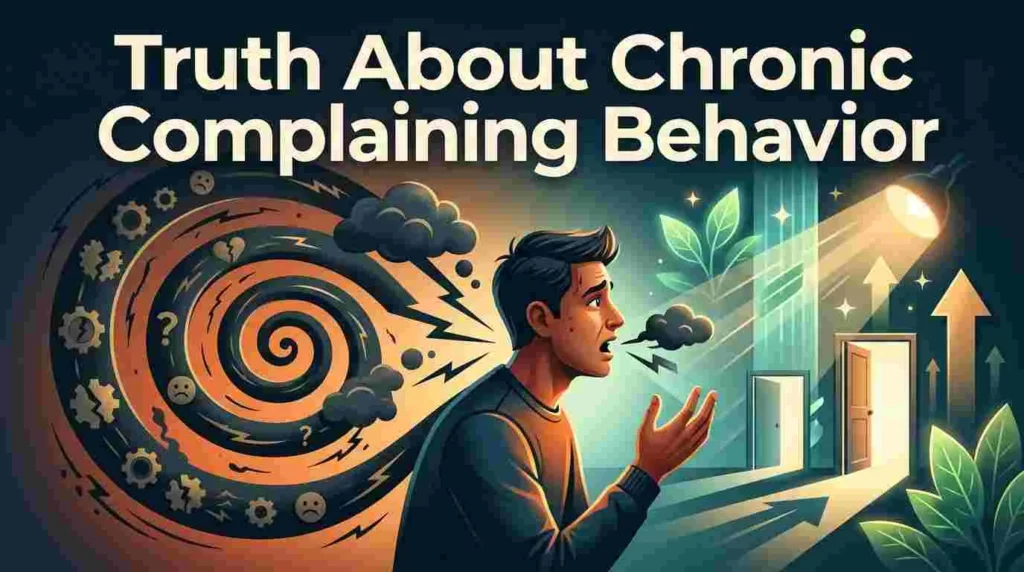
- “Complaining without action is emotional stagnation.” Ava Brooks
- “They talk about problems more than solutions.” Liam Carter
- “Constant complaining hides fear of change.” Mia Scott
- “Words without action build frustration.” Noah Mitchell
- “Complaints become habits when growth is avoided.” Chloe Adams
- “They repeat pain instead of resolving it.” Ethan Hayes
- “Chronic complaining drains both speaker and listener.” Olivia Parker
- “Nothing changes when everything is blamed.” James Morgan
- “Complaining feels safe, change feels risky.” Ryan Carter
- “Solutions require silence, focus, and effort.” Emma Brooks
Self-Empowerment Over Victim Thinking
- “Empowerment begins where excuses end.” Ava Scott
- “You are stronger than your circumstances.” Liam Turner
- “Stop waiting, start building your life.” Mia Reed
- “Victim thinking weakens potential.” Noah Adams
- “Power returns when responsibility is accepted.” Chloe Bennett
- “You control your response, not everything around you.” Ethan Carter
- “Strength is choosing action over complaint.” Olivia Hayes
- “Empowered minds create new paths.” James Reed
- “You are not stuck; you are deciding.” Ryan Mitchell
- “Ownership transforms pain into progress.” Emma Turner
Overcoming Victim Mindset: Inspiration
- “Change begins when excuses stop.” Ava Brooks
- “You are not defined by past pain.” Liam Carter
- “Growth is a decision, not a chance.” Mia Scott
- “Break the cycle by owning your story.” Noah Mitchell
- “Strength grows in moments of responsibility.” Chloe Adams
- “Every step forward ends victim thinking.” Ethan Hayes
- “You rise when you stop blaming.” Olivia Parker
- “Your future is built, not inherited.” James Morgan
- “Empowerment starts with self-honesty.” Ryan Carter
- “Victimhood ends where courage begins.” Emma Brooks
Toxic Playing Victim Quotes: Conclusion
Toxic playing victim Quotes can quietly damage relationships, trust, and personal growth when left unchecked. These quotes reveal how blame shifting, excuses, and emotional manipulation often hide behind innocence. Recognizing these patterns gives you clarity to set boundaries and protect your emotional well-being. Life becomes calmer when accountability replaces constant complaining and self-pity.
Whether in friendships, family, or work life, awareness is your strongest tool. Understanding the toxic playing victim quotes helps you avoid manipulation and build healthier communication. It also strengthens self-respect and emotional balance. Growth begins when excuses end, and responsibility takes its place. Let these quotes remind you that you deserve honesty, peace, and stable connections in every relationship you choose to maintain.
FAQs
What Is Toxic Playing Victim Behavior?
Toxic playing victim behavior is when someone consistently avoids responsibility by blaming others for their mistakes or life situations. They often shift accountability, seek sympathy, and reject feedback. This pattern can harm relationships and block personal growth because problems are never addressed honestly, only redirected toward others.
Why Do People Play The Victim Quotes In Relationships?
Often due to insecurity, fear of accountability, learned behavior, or emotional immaturity. Some individuals use victimhood to gain sympathy or control situations. It can also stem from past trauma, but over time, it becomes a habit that prevents healthy communication and mutual respect in relationships.
How Can You Recognize Victim Mentality?
Look for patterns of constant blaming, refusal to accept mistakes, exaggerating suffering, and seeking validation instead of solutions. They rarely take responsibility and often twist situations to appear wronged, even when evidence suggests otherwise. This behavior repeats across different situations.
Is Victim Mentality A Form Of Manipulation
Yes, in many cases it can be. While not always intentional, victim mentality can be used to influence others emotionally, gain sympathy, or avoid consequences. When repeated deliberately, it becomes a subtle form of emotional manipulation that affects fairness in relationships.
How Does Victim Behavior Affect Relationships
It creates imbalance, resentment, and emotional exhaustion. One person carries responsibility while the other avoids it. Over time, trust breaks down, communication weakens, and conflicts remain unresolved because accountability is missing from the relationship dynamic.
What Causes A Victim Mindset
Common causes include childhood conditioning, repeated failure without guidance, trauma, lack of emotional maturity, or environments where blame was normalized. Over time, the individual learns to protect themselves through excuses rather than responsibility.
How Do You Deal With Someone Who Always Plays the Victim
Set clear boundaries, avoid engaging in blame cycles, and encourage accountability calmly. Do not accept emotional manipulation or guilt trips. Focus on facts rather than emotional distortions, and protect your mental well-being by limiting toxic interactions when needed.
Can Victim Mentality Be Changed
Yes, victim mentality can change with self-awareness, therapy, and consistent effort toward accountability. The person must recognize the pattern and choose responsibility over excuses. Without a willingness to change, the behavior usually continues.
What Is The Difference Between Victim Mindset And Real Victimhood
Real victimhood involves genuine harm or injustice, while the victim mindset is a habitual way of thinking that exaggerates or misinterprets situations. One is based on facts; the other on perception and repeated emotional patterns.
How Can Boundaries Help With Toxic Victim Behavior
Boundaries prevent emotional exploitation and reduce manipulation. They clearly define acceptable behavior and protect your peace. When enforced consistently, boundaries encourage healthier interactions and discourage victim-playing behavior from continuing.

